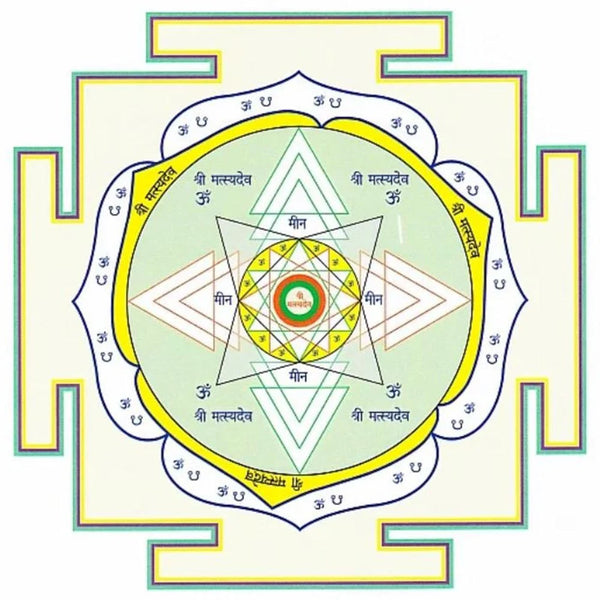
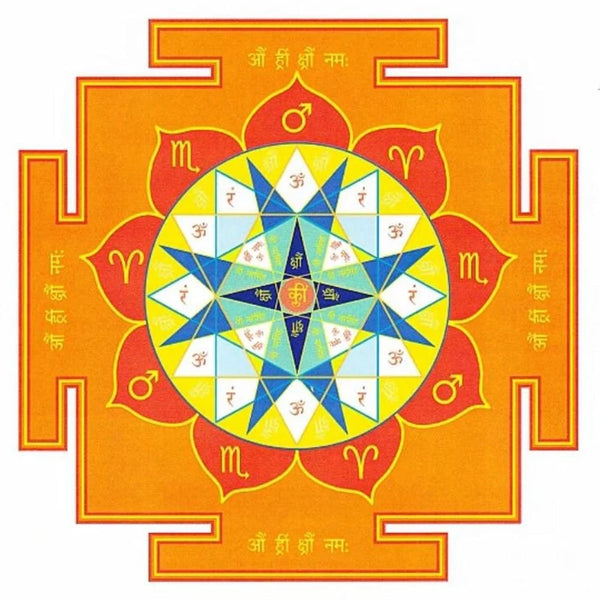
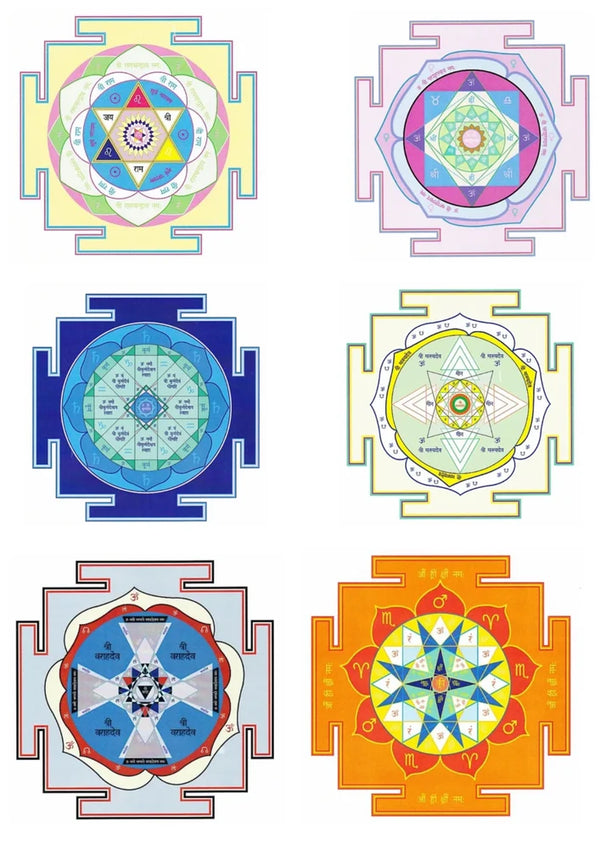
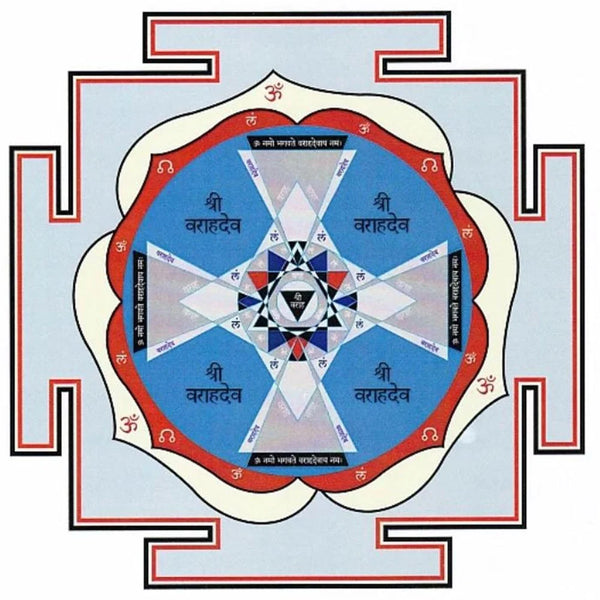
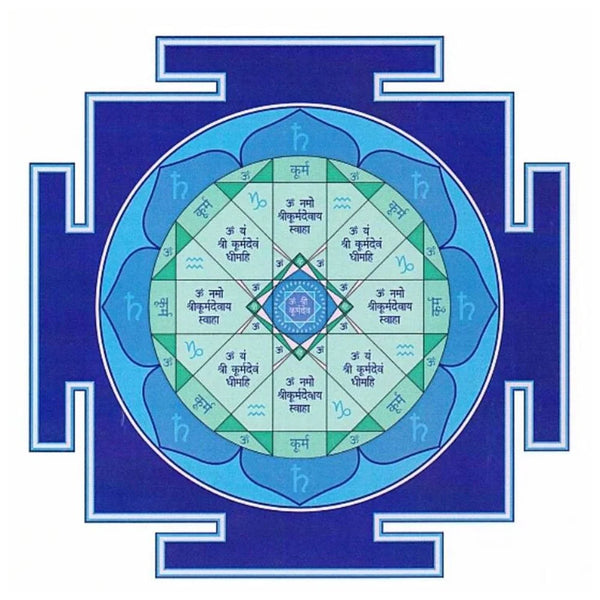
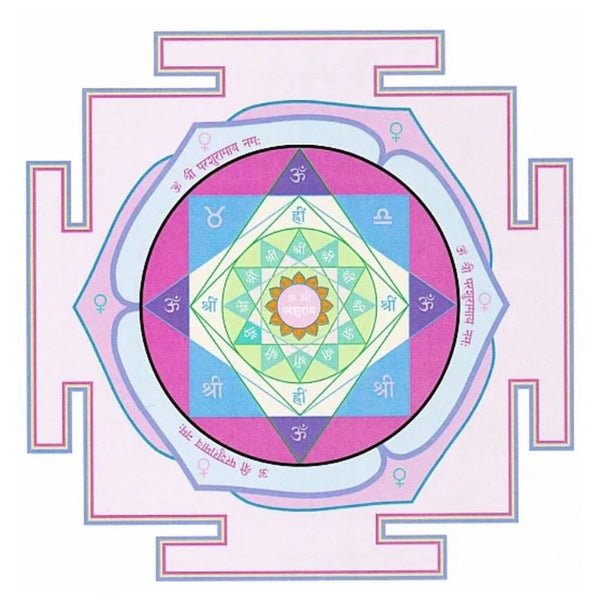
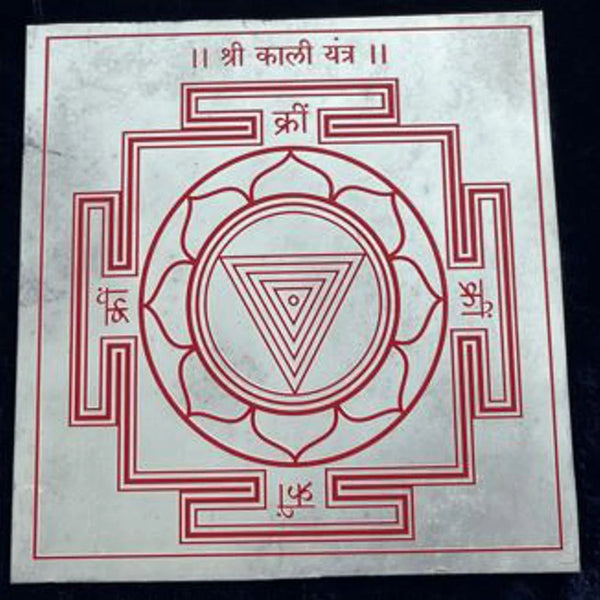
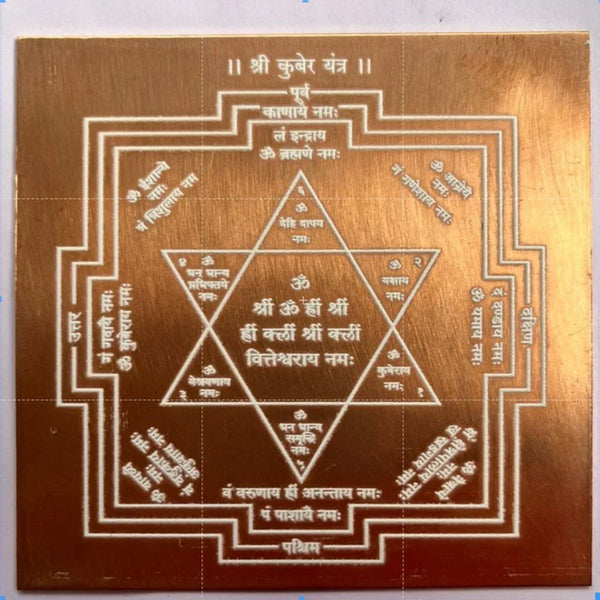
A Yantra is a geometric instrument from the ancient Vedic tradition of India. The word 'Yantra' (यंत्र) derives from the Sanskrit root 'yam' — meaning to hold, sustain, or support — combined with 'tra', meaning instrument. A Yantra is therefore an instrument that holds and sustains a specific divine energy or cosmic principle.
Unlike a picture or idol, a Yantra represents a deity through pure geometry. Each line, angle, and proportion encodes a specific energetic quality. The central Bindu (dot) represents the unmanifest source; the surrounding triangles, circles, and lotus petals represent successive manifestations of that energy into the physical world.
 −28%
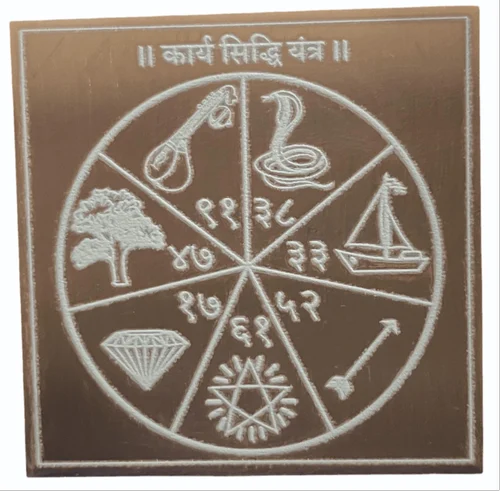
−28%Advaar Karya Siddhi Yantra
 −17%
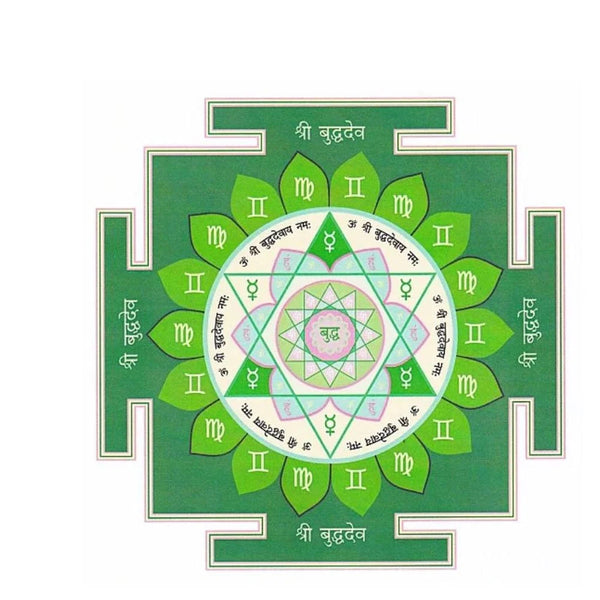
−17%Advanced Budh (Mercury) Yantra
 −17%
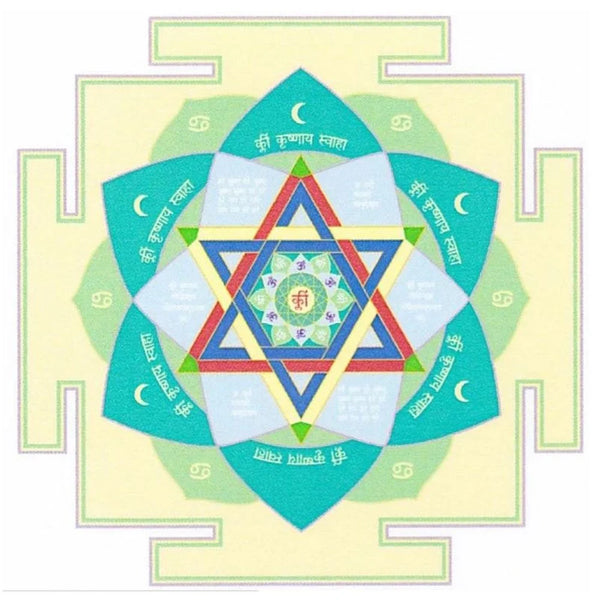
−17%Advanced Chandra (Moon) Yantra
 −17%
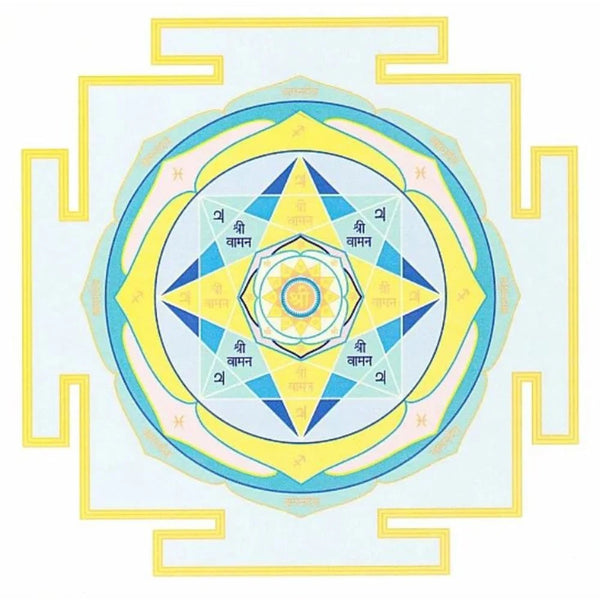
−17%Advanced Guru (Jupiter) Yantra
 −17%
−17%Advanced Ketu Yantra
 −17%
−17%Advanced Mangal (Mars) Yantra
 −28%
−28%Advanced Nav Graha Yantra Collection
 −17%
−17%Advanced Rahu Yantra
 −17%
−17%Advanced Shani (Saturn) Yantra
 −17%
−17%Advanced Shukra (Venus) Yantra
 −16%
−16%Pure Silver Yantra
The Science of Yantra Geometry
Vedic Yantra geometry follows precise mathematical ratios documented in texts such as the Mantra Mahodadhi and the Tantrasara. The Shri Yantra — composed of nine interlocking triangles — is considered by mathematicians and physicists to be among the most geometrically complex and harmonically balanced patterns ever devised.
Why Copper?
The Vedic tradition prescribes copper (tamra) as the primary material for Yantras. Modern material science confirms why: copper has the second-highest electrical conductivity of all metals and exceptional capacity for absorbing and storing electromagnetic information. Copper also retains the purity of the charge. aDvaar uses 99%+ pure electrolytic copper — the grade used in semiconductor manufacturing — at a minimum 1mm thickness and 90+ gram weight.
Why Silver?
The Vedic tradition prescribes Silver as the preferred material for Yantras. Modern material science confirms why: silver has the electrical conductivity higher than copper of all metals and exceptional capacity for absorbing and storing electromagnetic information. Silver also retains the purity of the charge better. Hence, ancient deity idols or Vigraha were made in silver or gold. As per few insights from gurus, when these yantras are charged they have carry the charge effect over multiple decades. aDvaar uses 95%+ pure silver — the grade used in Industrial manufacturing — at a minimum 1mm thickness and 100+ gram weight.
Why Gold?
The Vedic tradition prescribes Gold as the best material for Yantras. Modern material science confirms why: Gold has the highest electrical conductivity and exceptional capacity for absorbing and storing electromagnetic information. Hence, iPhones have usage of gold in their embedded chips. Gold also retains the best purity of the charge. Hence, ancient deity idols or Vigraha were made in silver or gold. As per few insights from gurus, when these yantras are charged they have carry the charge effect over multiple generations. aDvaar uses 24K Pure Gold — the grade used in Industrial manufacturing — at a minimum 1mm thickness and 100+ gram weight.
Types of Yantras
-
Deity Yantras — represent specific goddesses or gods (Ma Kali, Kuber, Lakshmi, Ganesh)
-
Planetary Yantras — represent the nine Grahas (Nav Graha) and correct astrological imbalances
-
Purpose Yantras — designed for specific intentions: business growth, protection, knowledge
Authentic vs. Inauthentic Yantras
The market is flooded with thin, foil-pressed copper yantras (often 10–20 grams) with uncertified and distorted geometry. An authentic Yantra must be: crafted from high-purity material like copper, silver or gold, a minimum of 1mm thick, geometrically precise per traditional standards, and activated through proper Vedic ritual. aDvaar yantras are independently certified for design authenticity by qualified gurus.