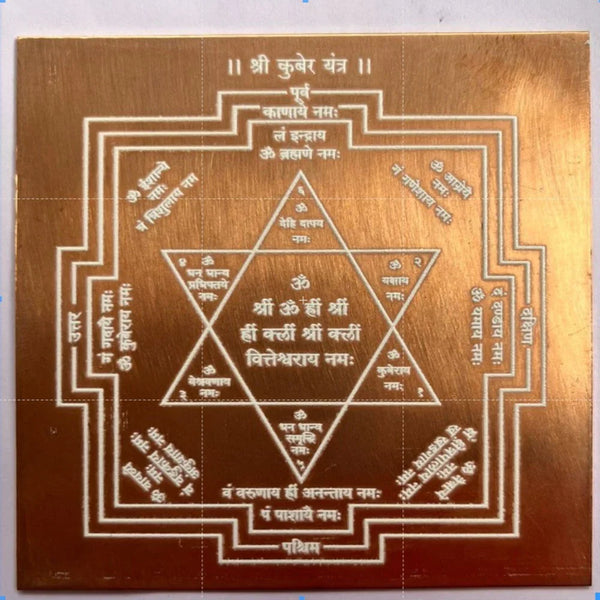
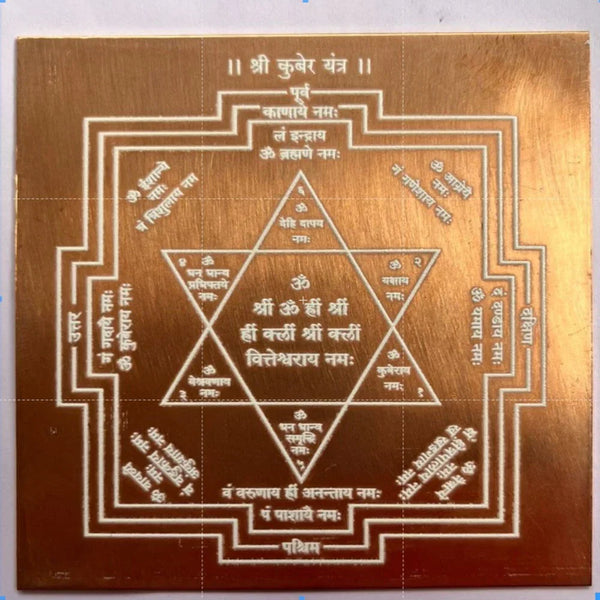
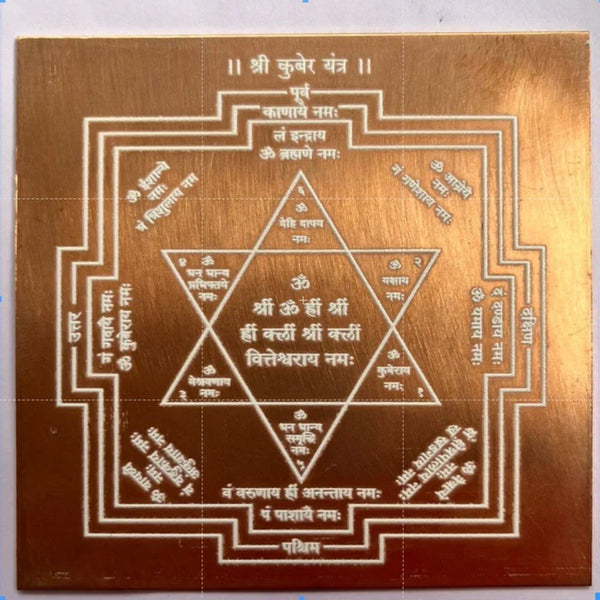
The aDvaar 10-degree backward lean resolves these dangers through intentional physics:

Why backward?
- Displacement tendency directs yantra toward wall or surface behind, not toward practitioner
- Center of gravity calculation ensures self-stabilizing rather than self-amplifying movement
- Visual presentation creates subtle sense of repose, invitation, accessibility
Why precisely 10 degrees?
- Sufficient angle for genuine safety benefit
- Insufficient to compromise vertical orientation essential for TRATAK practice
- Optimal for space efficiency in typical meditation contexts balance between protection and function
The safety benefit extends:
- Children approaching your practice space
- Pets moving through household energy fields
- Earthquake or environmental vibration events
- Your own movement during energetic practices or ritual circumambulation
- Singing bowl or other sound instrument vibrations from nearby practice
The 10-degree lean means: if displacement occurs, harm moves away from beings, toward empty space or protective surfaces. This isn't compromise between safety and function. It's engineering that recognizes safety enables deeper function—practice without background vigilance, meditation without risk-monitoring, sacred engagement without protective reservation.
Vertical Presence: The Architecture of Tratak Sadhana
Tratak—the sustained, unwavering gaze upon a focal point—represents advanced meditation practice. Unlike concentrative techniques using internal objects or closed eyes, Tratak demands precise external arrangement: the object must occupy specific visual field, maintain consistent position through extended duration, present surface area appropriate for gaze stabilization without strain.
The aDvaar Multiple Yantra Stand's vertical orientation creates ideal conditions for this transformative practice:
Optimal Gaze Angle The upright yantra presents at natural eye level for seated practitioner—no neck strain, no compensatory posture distortion, no energy diverted to physical adjustment.
Surface Integrity Iron's rigidity prevents the micro-movements that disrupt gaze stabilization. Where wooden stands breathe with humidity, flex with weight, vibrate with environmental energy—iron stands absolute. The yantra remains precisely where your eyes find it, minute after minute, hour after hour.
Multi-Yantra Tratak Progression Advanced practitioners employ sequential or simultaneous TRATAK on multiple yantra geometries. The stand's capacity for 2-5 yantras arranged vertically permits:
- Horizontal scan practice (eye movement across related geometries)
- Vertical progression (gaze movement through energetic hierarchies)
- Central focus with peripheral awareness (primary yantra centered, supporting geometries in soft attention)
- Recommended 3-4 feet distance for TRATAK sadhana.
Duration Support Extended Tratak—20 minutes, 40 minutes, traditional hour-long sessions—demands infrastructure that disappears into function. The vertical iron stand achieves this disappearance through absolute stability. No micro-adjustment. No drift. No conscious or unconscious attention to object position. Only practice. Only deepening.
Weight and the Experience of Grounding
Pure iron's density creates weight experience qualitatively different from wood or composite materials:
- Lifting: Deliberate, full-body engagement; the stand announces itself as significant object
- Placing: Decisive contact; the stand settles rather than adjusts
- Living with: Background registration of groundedness; subtle nervous system settling
This weight—distributed through broad base, stabilized through 10-degree lean, directed through vertical orientation—becomes felt meditation instruction. The body learns: practice requires foundation, commitment, substantial presence.
Holding Heavy Yantras: Engineering Integrity
Copper yantras with substantial material presence. These sacred objects carry weight—physical and energetic—that demands respectful support.
The aDvaar iron stand's stability despite heavy yantras emerges from:
Structural Geometry Load distributes through triangular truss elements in the stand's rear frame—the 10-degree lean enables this efficient force management. Weight translates through iron to base, to floor, without moment arm stress that would topple lighter constructions.
Material Yield Strength Pure iron's structural capacity far exceeds typical yantra weights. Safety margins ensure: even maximum 6-inch heavy yantra loads operate within 20% of material capacity. Generational fatigue—the slow degradation that destroys lesser stands—simply doesn't occur.
Base Proportion Broad footprint relative to height creates inherent stability. The 10-degree lean works with this proportion, not against it—center of gravity remains well within support polygon even under dynamic loading.
Yantra Security Mechanisms Adjustable tensioning elements grip yantras 2-6 inches without damage, without slippage, without the vibration transmission that would disrupt Tratak or degrade yantra finish.
The Iron Path: Material as Practice Metaphor
Ayurveda teaches: iron builds blood, builds strength, builds endurance. The subtle body literature suggests iron's grounding properties for practitioners prone to dispersion, excessive opening, ungrounded energetic experience.
The aDvaar iron stand embodies these principles materially:

Your stand becomes practice object itself—meditated upon, felt, learned from.
Configuration Possibilities: Iron Framework, Sacred Arrangement
Solo Practice: 2-3 inch yantra, centered Maximum stability for minimal object. The iron stand's mass vastly exceeds yantra weight—absolute immobility achieved.
Developing Practice: Two yantras, balanced Complementary energies held in iron's impartial grip. The 10-degree lean safety extends protection across both objects.
Intensifying Practice: Three yantras, vertical progression Tratak progression practice: lower yantra to center to upper, gaze traveling through geometric correspondences.
Advanced Practice: Four yantras, mandala quadrants Full directional awareness. Iron stability permits peripheral yantra presence without attention-distracting movement concern.
Complete Practice: Five yantras, maximum configuration The stand fully occupied—central sovereign, four directional supports. Iron framework disappearing into integrated sacred geometry presentation.
Living With Iron: Care and Relationship
Pure iron requires relationship, not merely maintenance:
Daily: Dry cloth contact—your touch maintains surface finish, builds personal connection Weekly: Visual inspection for environmental effects; the iron teaches attention to conditions Seasonally: Light dry cleaning with traditional preparations; the stand receives care as practice object
Unlike wood's hidden decay, iron's needs announce themselves clearly. The relationship is honest—appropriate for practice infrastructure.
The Investment: Iron Transcends Replacement
Consider economics across practice lifetime:
- Wood stand: 5-10 year functional life, replacement cycle, cumulative cost, interrupted relationship
- Composite stand: Uncertain longevity, environmental degradation, aesthetic fatigue
- aDvaar pure iron stand: Generational service, deepening patina and relationship, single investment for multiple years.
The iron stand may outlast your current yantra collection, your current practice phase, possibly your residential location. It becomes practice ancestor—transmitted, inherited, continuing.
Your Foundation Awaits
The aDvaar Multiple Yantra Stand in pure iron—10-degree backward lean protecting all beings, vertical orientation enabling profound Tratak, 2-6 inch capacity supporting complete practice evolution—represents decision to take practice seriously.
Not as expense. As foundation. As commitment. As doorway.